

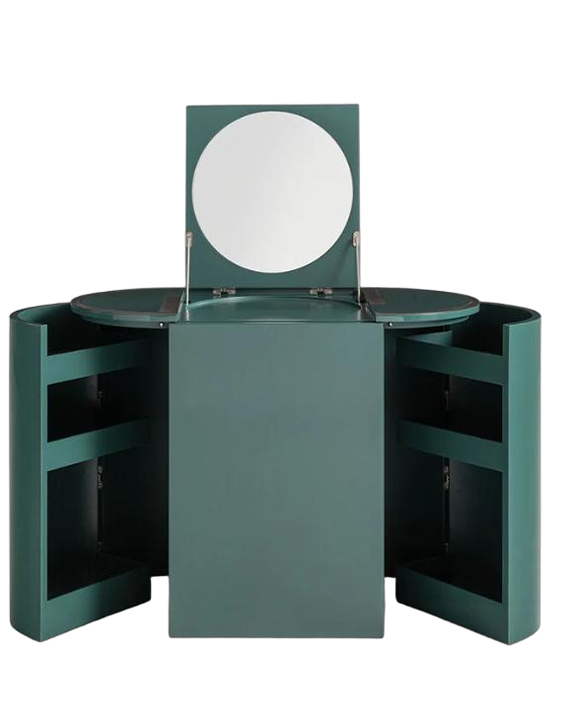
Supply chain integration in hotel space customization has become a critical strategy for hotel owners,
operators, designers, and developers who want to deliver distinctive guest experiences while controlling
cost, quality, and project timelines. As hotel projects become more design‑driven and asset‑heavy,
fragmented sourcing and siloed workflows are no longer sustainable.
This guide explains what supply chain integration means in the context of hotel space customization,
why it matters, how it works, and how hospitality stakeholders can implement integrated supply chain
models to improve performance across new‑build, renovation, and conversion projects.
Supply chain integration in hotel space customization refers to the coordinated planning,
sourcing, production, logistics, and installation of all materials and products required to create
customized hotel spaces. It connects design, procurement, manufacturing, warehousing, and on‑site
execution into a single, streamlined workflow.
In hospitality, supply chain integration means that all stakeholders involved in hotel space customization
share data, timelines, specifications, and responsibilities across the entire lifecycle of a project. This
includes:
Instead of independent vendors working in isolation, an integrated supply chain aligns every party around
shared project goals, consistent data, and coordinated schedules. This is especially important in
hotel space customization, where each asset type and brand may require specific layouts,
finishes, and functional configurations.
Hotel space customization goes beyond basic fit‑out. Rather than using generic, off‑the‑shelf products,
customized hotel spaces are designed around:
Typical customized hotel spaces include:
Because these areas often feature bespoke furniture, millwork, lighting, and architectural elements,
effective supply chain integration becomes crucial to managing complexity, lead times, and total project
cost.
| Integration Type | Description in Hotel Context | Example in Space Customization |
|---|---|---|
| Vertical Integration | Coordinating activities from design through production and installation within a unified process framework.
| Design team, FF&E production, and site installation teams use the same specifications, schedules, and quality benchmarks.
|
| Horizontal Integration | Aligning multiple suppliers and categories (FF&E, OS&E, finishes, MEP items) across the same project or portfolio.
| Guestroom furniture, lighting, flooring, and sanitary ware sourced and delivered in a synchronized way to meet opening dates.
|
| Information Integration | Sharing accurate, real‑time data about demand, inventory, production, and logistics among all stakeholders.
| Project management platforms allowing designers, owners, and contractors to track production and shipping of all customized elements.
|
| Financial Integration | Aligning payment terms, budget tracking, and cost control mechanisms across the supply chain.
| Milestone‑based payments triggered by factory inspections, shipping, and installation acceptance for multiple item categories.
|
Hotel projects are capital‑intensive, deadline‑driven, and brand‑sensitive. Without integrated supply
chains, project teams face unnecessary delays, cost overruns, and inconsistent quality in customized
spaces. The following drivers explain why integration is becoming the default expectation.
Contemporary hotels use layered design narratives, technology‑rich guestroom concepts, and diverse
amenities. This increases:
Supply chain integration in hotel space customization helps coordinate this complexity by centralizing
planning and synchronizing deliveries with construction milestones.
Hotel openings and renovations are tied to:
Any delay in customized space fit‑out translates directly into lost revenue and compromised return on
investment. Integrated supply chains allow teams to:
Fragmented procurement often leads to:
Supply chain integration in hotel space customization supports:
Consistency across rooms, floors, and properties is essential for hotel brands. Non‑integrated supply
chains can lead to:
Integrated supply chains enable unified standards, common material libraries, and monitored quality
control, ensuring that hotel space customization delivers the intended visual impact and functional
performance.
Hotel investors and operators are increasingly focused on:
A fragmented supply chain makes it difficult to document compliance. Integrated supply chain models
maintain structured documentation, supplier audits, and certification records across all customized
elements in the hotel.
A fully integrated supply chain in hotel space customization includes both physical flows of materials and
digital flows of information. It aligns design intent with practical project delivery.
Key stakeholders in an integrated hotel supply chain include:
Supply chain integration requires these groups to work from shared schedules, common specifications, and
coordinated change‑management procedures.
A central element of supply chain integration in hotel space customization is the maintenance of a
unified specification database that captures:
This reduces errors during manufacturing and installation and ensures that all hotel spaces are customized
in accordance with brand standards and project budgets.
Integrated procurement for hotel space customization includes:
This approach is particularly effective for:
Logistics integration ensures that all customized items are:
For multi‑property hotel programs, centralized warehousing also supports portfolio‑wide space
customization by balancing inventory across sites and standardizing frequently used components.
The final step in supply chain integration is the connection between off‑site production and on‑site
construction. Effective coordination includes:
When on‑site teams receive complete, labeled, and installation‑ready customized components, the risk of
delays and rework decreases significantly.
Supply chain integration in hotel space customization delivers measurable benefits across cost, time,
quality, and long‑term asset performance. These benefits are relevant for new developments, large‑scale
renovations, and repositioning projects.
| Benefit Category | Impact on Hotel Space Customization | Typical Outcome |
|---|---|---|
| Cost | Optimized sourcing, logistics, and installation costs for custom FF&E and finishes. | Lower total project cost and improved budget accuracy. |
| Time | Alignment of production and delivery with construction milestones. | On‑time or accelerated openings, reduced idle time on site. |
| Quality | Standardized quality controls across all customized units and spaces. | Consistent brand experience and fewer defects. |
| Risk | Better visibility into supplier performance and material availability. | Reduced risk of delays, shortages, and compliance issues. |
| Scalability | Reusable design and supply chain frameworks across multiple hotels. | Faster rollout of prototypes and brand refresh programs. |
Supply chain integration in hotel space customization is relevant across the asset lifecycle. Different
scenarios call for different integration strategies.
In new‑builds, integration begins during conceptual design. Hotel developers and designers collaborate
with procurement and manufacturing specialists to:
For renovations, especially when hotels must remain partially operational, integrated supply chains
enable:
When a hotel asset converts to a different brand, supply chain integration supports:
Hotel groups launching new concepts across multiple cities or regions benefit from:
An integrated supply chain in hotel space customization follows a structured end‑to‑end process. While
each project is unique, most follow these high‑level stages.
| Phase | Main Activities | Integration Focus |
|---|---|---|
| Concept & Feasibility | Programming, budgeting, scheduling | Align design ambition with supply constraints and budget. |
| Design Development | Detailed plans, specifications, mock‑ups | Collaborative design with procurement and manufacturing input. |
| Procurement Planning | Supplier selection, contracting, phasing | Consolidate categories, standardize terms, define logistics. |
| Production | Engineering, manufacturing, quality control | Shared production schedules and QA standards across suppliers. |
| Logistics & Installation | Shipping, warehousing, fit‑out | Sequenced deliveries, integrated site planning, coordinated trades. |
| Handover & Operations | Documentation, training, after‑sales support | Link construction data with operational and maintenance needs. |
Measuring the performance of supply chain integration in hotel space customization helps owners and
operators understand the value of integrated models and identify improvement opportunities.
| KPI Category | Metric | Target (Illustrative) |
|---|---|---|
| Time | On‑time item delivery rate | > 95% of deliveries on or before planned date |
| Cost | FF&E budget variance | < 5% difference versus approved budget |
| Quality | Defects per 100 installed items | < 2 minor defects, 0 major safety defects |
| Sustainability | Certified material share | > 60% of key materials with recognized certifications |
| Integration | Design changes after production start | < 3% of items affected by late design changes |
Choosing not to adopt supply chain integration in hotel space customization can expose projects to
avoidable risks.
Schedule Slippage: Misaligned lead times, unexpected shortages, and
out‑of‑sequence deliveries delay opening.
Cost Overruns: Fragmented purchasing inflates margins and increases expedited shipping
and rework costs.
Quality Inconsistency: Variations in finish, color, or dimensions across suppliers and
batches.
Brand Non‑Compliance: Elements that do not meet design or brand standards, leading to
remedial work.
Operational Inefficiencies: Custom features that are hard to maintain, clean, or
repair due to poor coordination.
Weak Traceability: Lack of documentation for materials and products, complicating
warranty claims and sustainability reporting.
Implementing supply chain integration in hotel space customization requires strategic planning and
disciplined execution. The following practices support successful outcomes.
Use standard modules and components for back‑of‑house and non‑guest‑facing elements
where possible.
Focus customization on high‑impact touchpoints such as headboards, reception desks,
feature lighting, and public area accents.
Technology plays a central role in enabling supply chain integration in hotel space customization.
Effective hotel supply chains rely on shared data and coordinated systems.
Centralized project platforms support:
BIM models can embed:
Integration between procurement and logistics systems supports:
Data analytics can:
The following tables illustrate how integrated supply chain information can be structured for hotel space
customization. They are generic examples, not project‑specific recommendations.
| Item Category | Typical Custom Elements | Key Specification Parameters | Integration Considerations |
|---|---|---|---|
| Bed & Headboard | Integrated headboard with lighting and power | Dimensions, upholstery, finish, lighting type, socket configuration | Coordination with electrical and data services; modularity for multiple room types. |
| Casegoods | Desk, wardrobe, minibar cabinet, luggage bench | Material species, veneer pattern, edge protection, hardware specifications | Standard modules reused across properties; packaging for damage‑free transport. |
| Seating | Desk chair, lounge chair, ottoman | Fabric grade, foam density, frame material, fire rating | Common upholstery families for maintenance; local sourcing options. |
| Lighting | Bedside lights, floor lamps, decorative pendants | Color temperature, lumen output, control type, mounting details | Standard drivers and lamps across multiple fixtures to simplify maintenance. |
| Bathroom Vanity | Custom vanity unit with integrated basin | Countertop material, splashback height, storage volume, water resistance rating | Pre‑cut openings for plumbing; coordination with wall and floor finishes. |
| Space Type | Typical Customized Features | Performance Requirements | Supply Chain Integration Focus |
|---|---|---|---|
| Lobby | Reception desk, feature wall, decorative lighting, loose seating | High wear resistance, strong visual identity, acoustic comfort | Synchronize millwork, signage, and lighting for on‑site coordination. |
| Restaurant | Buffet counters, banquette seating, bar counter, acoustic treatments | Food safety standards, cleaning efficiency, F&B operational flow | Coordination between kitchen equipment vendors and interior fit‑out teams. |
| Conference Rooms | Partition systems, conference tables, integrated AV furniture | Flexibility of layouts, cable management, acoustic separation | Close coordination with AV integrators and MEP engineers. |
| Spa & Wellness | Treatment rooms, lockers, reception, feature ceilings | Humidity resistance, hygiene, relaxing ambiance | Integrated planning with HVAC, water systems, and lighting designers. |
| Project Phase | Logistics Activity | Key Parameters | Outputs for Hotel Space Customization |
|---|---|---|---|
| Pre‑Construction | Logistics strategy definition | Port availability, customs lead times, site access | Baseline logistics plan integrated with master schedule. |
| Production Phase | Shipping schedule planning | Manufacturing lead times, consolidation opportunities | Container loading plans by area and room type. |
| Fit‑Out Phase | Site delivery management | Crane availability, storage capacity, installation sequence | Daily delivery manifests aligned with installation zones. |
| Post‑Completion | Return logistics, spares stocking | Warranty obligations, maintenance policy | Stock of critical spares, defined return paths for defective items. |
The main advantage is the ability to deliver highly customized hotel spaces on time, on budget, and in
line with brand expectations by orchestrating all design, production, and logistics activities through
a unified, data‑driven process.
Properly implemented integration does not reduce creativity. Instead, it provides earlier feasibility
checks so that design teams can explore ambitious concepts with a clear understanding of cost, lead time,
and constructability, resulting in better, more deliverable designs.
While the benefits are most visible in large or multi‑property programs, even single property projects
gain from improved coordination, standardized data, and integrated logistics for customized spaces.
Integration enables better tracking of material origins, certifications, and environmental impacts,
reduces waste from rework and over‑ordering, and helps align product selection with sustainability
frameworks used in the hospitality industry.
Project teams need a mix of hospitality design knowledge, procurement and logistics expertise, data
management skills, and the ability to collaborate across disciplines, including architectural, interior,
engineering, manufacturing, and operations teams.
Supply chain integration in hotel space customization is no longer an optional enhancement; it is a
foundational strategy for hotels that want to deliver compelling, branded environments efficiently and
reliably. By aligning design, procurement, manufacturing, logistics, and installation under a unified
approach, hotel stakeholders gain:
As the hospitality sector continues to evolve, integrated supply chain models will play a central role in
balancing creative hotel space customization with the operational and financial realities of hotel
development and ownership.
```

China's leading
manufacturer , serving
the global market with
premium quality
products.
Address: No.C6001-C6002 of C#building,
Eesy home, No.189,
Foshan avenue central Chancheng
district, Foshan city,Guangdong,China
Tel: +86-757-89920898
Whatsapp: +86-13802621530
Mobile Phone: +86-13802621530
Email:cfmosaic1@163.com
We are a professional service-oriented company specializing in high-end whole-house customization, hotel projects, and comprehensive solutions for office spaces.
The company does not have its own production system, but relies on long-term screening and cooperation with high-quality manufacturers and brand suppliers to provide customers with systematic and feasible space customization and engineering supporting services.
UNIHOME © ALL RIGHTS RESERVED. POWERED BY CLOUD LUCKY
Sitemap


This website uses cookies to ensure you get the best experience on our website.



 Phone
Phone
Comment
(0)