

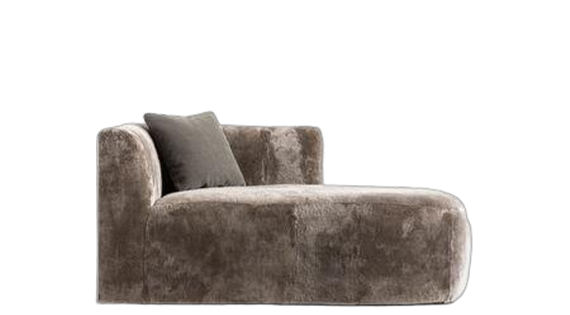
Space customization hotel room furniture and engineering furniture are essential for modern hospitality,
serviced apartments, and branded residence projects. This guide explains how to plan, design, and order
custom wood furniture and panel-based engineering joinery for hotel rooms and similar spaces, with a focus
on technical details, material options, and specification standards.
Space customization hotel room furniture refers to project-based, made-to-measure furniture solutions for
hotel guest rooms, suites, and long-stay units. Unlike standard retail furniture, these products are
designed according to architectural drawings, brand guidelines, and room layouts to maximize functionality,
comfort, and aesthetics in limited space.
In the context of space customization hotel room furniture, every millimeter counts:
wardrobes must align with bulkheads, headboards must coordinate with lighting and switches, and casegoods
must integrate mini-bars, fridges, safes, and cable routing. The result is a cohesive set of custom hotel
room furniture that feels built-in, stable, and aligned with the interior design concept.
Engineering furniture (also called engineering joinery or project furniture)
refers to the fixed or semi-fixed furniture elements that are manufactured off-site based on construction
drawings and then installed on project sites. These items are typically part of the construction or fit‑out
scope rather than loose FF&E.
Engineering furniture includes built-in wardrobes, wall cladding, doors, frames, paneling, vanity counters,
and other joinery elements that require coordination with civil works, HVAC, and M&E engineering.
Space customization hotel room furniture and engineering furniture work together to create a unified guest
experience. For example:
Ordering custom wood furniture and engineered panel furniture for hotel rooms provides a number of
advantages compared with using generic retail pieces.
Space customization hotel room furniture and engineering furniture cover a wide range of products. The
following categories are commonly found in hotel projects and serviced residences.
Custom hotel room furniture and engineering furniture usually combine solid wood, engineered wood panels,
metal, glass, and stone. The core of most casegoods and joinery is panel material, selected according to
cost, durability, fire rating, and moisture resistance.
| Panel Type | Description | Typical Thickness (mm) | Advantages | Limitations | Common Applications |
|---|---|---|---|---|---|
| Particle Board (PB) | Wood particles bonded with resin, available in raw or melamine-faced form. | 16 / 18 / 25 | Cost-effective, flat, suitable for melamine and HPL lamination. | Lower screw-holding strength, not ideal for wet areas. | Wardrobe carcasses, shelving, internal cabinet panels. |
| Medium Density Fiberboard (MDF) | Wood fibers compressed with resin for a smooth, dense panel. | 15 / 18 / 25 | Excellent for painting, CNC routing, and detailed profiles. | Heavier than PB, sensitive to water if not sealed. | Decorative fronts, doors, headboards, wall panels. |
| Plywood | Cross-laminated wood veneers bonded with adhesive. | 12 / 15 / 18 / 25 | High strength, good screw holding, better moisture resistance. | Higher cost than PB and MDF, visible edges require treatment. | Bathroom vanities, structural elements, flooring substrates. |
| Blockboard | Softwood strips sandwiched between veneers. | 18 / 25 | Stable for longer spans, reduced risk of warping. | Quality varies with core; edges need capping. | Doors, large wardrobe panels, table tops. |
| OSB (Oriented Strand Board) | Oriented wood strands compressed with resin. | 12 / 18 | Structural strength, economical, sometimes used as hidden core. | Industrial look if exposed; limited for high-end visible surfaces. | Sub-structures, concealed backing panels. |
| Fire-Retardant (FR) Panels | MDF or PB treated with fire-retardant additives. | 18 / 25 | Improved reaction to fire; supports compliance with hotel codes. | Higher cost than standard boards, may be heavier. | Wall panels, corridors, public areas, ceiling elements. |
| Moisture-Resistant (MR) Panels | Boards with improved resistance to moisture and humidity. | 18 / 25 | Better performance in bathroom and coastal areas. | Not fully waterproof; still needs edge sealing. | Bathroom vanities, kitchenettes, areas near moisture. |
Although engineered panels are widely used, solid wood is still important in hotel room furniture
customization. It is often used for:
| Species | Color / Grain | Use in Hotel Projects | Key Properties |
|---|---|---|---|
| Oak (White or Red) | Prominent grain, light to medium brown. | Visible frames, table legs, trims, feature elements. | Strong, durable, takes stain well. |
| Beech | Fine grain, light cream color. | Chair frames, solid edges, structural components. | Hard, good bending properties, stable. |
| Ash | Straight grain, light to medium tone. | Decorative trims, exposed frames. | Elastic, attractive grain, good strength. |
| Rubberwood | Light color, subtle grain. | Cost-effective solid components, legs, frames. | Eco-friendly, stable when properly kiln dried. |
| Walnut | Dark brown, rich grain. | Premium furniture details, accent trims. | High-end appearance, used in luxury projects. |
The visual effect and durability of space customization hotel room furniture depend significantly on the
selected surface finishes. Multiple finishing systems are available for engineered furniture.
| Finish Type | Description | Advantages | Typical Use |
|---|---|---|---|
| Melamine-Faced Board (MFC) | Decor paper impregnated with melamine resin heat-pressed on PB or MDF. | Cost-effective, wide range of woodgrains and solid colors, easy to clean. | Wardrobe interiors, carcasses, shelving, standard hotel furniture components. |
| High Pressure Laminate (HPL) | Multiple layers of kraft paper with décor layer, pressed under high pressure. | High impact resistance, scratch and wear resistance, suitable for heavy use. | Table tops, working desks, luggage benches, public area furniture. |
| Compact Laminate | Thick HPL with solid core, self-supporting. | Very high durability, water resistance, excellent for wet areas. | Toilet cubicles, vanity partitions, wet area screens. |
Wood veneer uses thin slices of real wood bonded onto panel cores, while reconstituted veneer is engineered
from fast-growing species to imitate consistent grain patterns.
Painted MDF or lacquered panels are common for modern hotel designs:
Edge banding protects panel edges and improves appearance:
Effective space customization of hotel room furniture requires adherence to ergonomic dimensions and
hospitality design standards. Although specific brands have their own manuals, the following guidelines are
widely used as reference.
| Item | Width (mm) | Depth (mm) | Height (mm) | Notes |
|---|---|---|---|---|
| Bed Base (Queen) | 1600 | 2000 | 280–350 (without mattress) | Allow for mattress thickness and desired finished height. |
| Bedside Table | 400–600 | 350–450 | 450–550 | Usually similar height to mattress top for convenience. |
| Working Desk | 1000–1400 | 500–600 | 720–760 | Include cable management and drawer if required. |
| Luggage Bench | 900–1100 | 450–500 | 450–500 | Sometimes combined with open wardrobe or storage. |
| Wardrobe (Double Door) | 900–1200 | 550–650 | 2100–2400 | Allow hanging space, shelves, and safe compartment. |
| TV Panel / Console | Variable | 350–450 | 600–800 (console) | Panel size depends on TV screen size and wall width. |
| Bathroom Vanity | 900–1600 | 550–600 | 800–850 (top) | Coordinate with basin type (countertop, under-mount). |
To standardize production, project teams use specification sheets. Below are examples of typical
specifications used for space customization hotel room furniture and engineering furniture.
| Component | Material | Thickness (mm) | Finish | Remarks |
|---|---|---|---|---|
| Carcass (Sides, Top, Bottom) | PB or MDF | 18 | Melamine, woodgrain decor | Matching ABS edging 1 mm on exposed edges. |
| Back Panel | HDF or thin PB | 3–6 | White melamine | Rebated into carcass for rigidity. |
| Doors | MDF / PB with veneer or HPL | 18–25 | Veneer + clear lacquer / HPL | Soft-close hinges; full-height handles or recessed pulls. |
| Hanging Rail | Aluminum or steel tube | Ø25–30 | Powder coated or chrome | Minimum 900 mm clear hanging width. |
| Shelves | PB / MDF | 18 | Melamine | Adjustable shelf supports where possible. |
| Safe Box Shelf | PB / MDF | 25 | Melamine | Reinforced to support hotel safe weight. |
| Hardware | Concealed hinges, screws | - | Nickel / black finish | Soft-close hinges; heavy-duty where required. |
| Component | Core Material | Finish | Special Features |
|---|---|---|---|
| Headboard Panel | MDF | Fabric upholstery or veneer + lacquer | Integrated lighting, switches, and reading lights if required. |
| Bedside Panel | MDF / PB | HPL or veneer | Cable routing for sockets and telephone connections. |
| Bed Base Frame | Softwood frame + PB top | Fabric or melamine | Slotted base or solid platform depending on mattress type. |
| Skirting / Plinth | MDF | Lacquer or HPL | Recessed plinth for floating effect if desired. |
Ordering engineering furniture and custom hotel room furniture involves a structured production process.
Understanding the steps helps project teams anticipate lead times and coordinate on-site works.
Ordering space customization hotel room furniture and engineering furniture requires clear communication
between the project owner, designer, contractor, and furniture manufacturer. The process is similar
whether the project is a business hotel, resort, or serviced apartment.
Lead time depends on project size, material complexity, and production capacity. Typical ranges:
Engineering furniture must be coordinated with:
For large hotel projects, packaging and logistics are critical components of successful furniture
implementation.
Modern hotel projects increasingly emphasize sustainability and safety. Space customization hotel room
furniture and engineering furniture can be designed to support these goals.
Engineering furniture is custom-designed, built-in, or semi-fixed furniture that becomes part of the building
fit-out, such as wardrobes, vanities, and wall paneling. Loose furniture includes chairs, sofas, and movable
tables that are not fixed to the structure. Space customization hotel room furniture usually includes both
categories but focuses heavily on engineered casegoods.
Panel materials like MDF, PB, and plywood provide a good balance of cost, stability, and design flexibility.
They can be easily cut, drilled, and laminated, enabling efficient mass production of consistent furniture
modules that fit hotel room layouts precisely.
Use a strict finish schedule and approve master samples of laminates, veneers, and paints before mass
production. Ensure all batches come from the same production lot where possible, and require the manufacturer
to perform color-matching checks during quality control.
Essential information includes final room layouts, reflected ceiling plans, M&E drawings, design intent
images, finish schedule, and a detailed furniture list by room type. This information ensures that space
customization hotel room furniture and engineering furniture coordinate with all building systems.
Some engineering furniture is fixed and difficult to relocate without damage. However, many items—especially
modular wardrobes, headboard systems, and casegoods—can be designed for partial reuse. Selecting durable panel
materials, neutral finishes, and standardized modules increases the chance of reuse during renovation.
This guide provides general, industry-wide information about space customization hotel room furniture,
engineering furniture, custom wood solutions, and panel material choices. It is suitable for hotel owners,
developers, designers, and contractors planning hospitality or residential projects that require efficient,
durable, and coordinated furniture systems.
```

China's leading
manufacturer , serving
the global market with
premium quality
products.
Address: No.C6001-C6002 of C#building,
Eesy home, No.189,
Foshan avenue central Chancheng
district, Foshan city,Guangdong,China
Tel: +86-757-89920898
Whatsapp: +86-13802621530
Mobile Phone: +86-13802621530
Email:cfmosaic1@163.com
We are a professional service-oriented company specializing in high-end whole-house customization, hotel projects, and comprehensive solutions for office spaces.
The company does not have its own production system, but relies on long-term screening and cooperation with high-quality manufacturers and brand suppliers to provide customers with systematic and feasible space customization and engineering supporting services.
UNIHOME © ALL RIGHTS RESERVED. POWERED BY CLOUD LUCKY
Sitemap


This website uses cookies to ensure you get the best experience on our website.



 Phone
Phone
Comment
(0)